







Massage Chair
Why Companies Are Adding Massage Chairs for Corporate Wellness Benefits

Corporate wellness programs continue to appear across office environments in Australia. Businesses often include physical comfort systems inside shared workplace areas. Massage chairs remain one of the products increasingly present in these settings.
Working in an office often includes prolonged periods of sitting, repetition, and activities that require use of the computer screen. These factors could affect posture, muscle function, and physical exhaustion at the workplace. Office space design has also undergone changes recently. Modern offices have separate quiet zones.
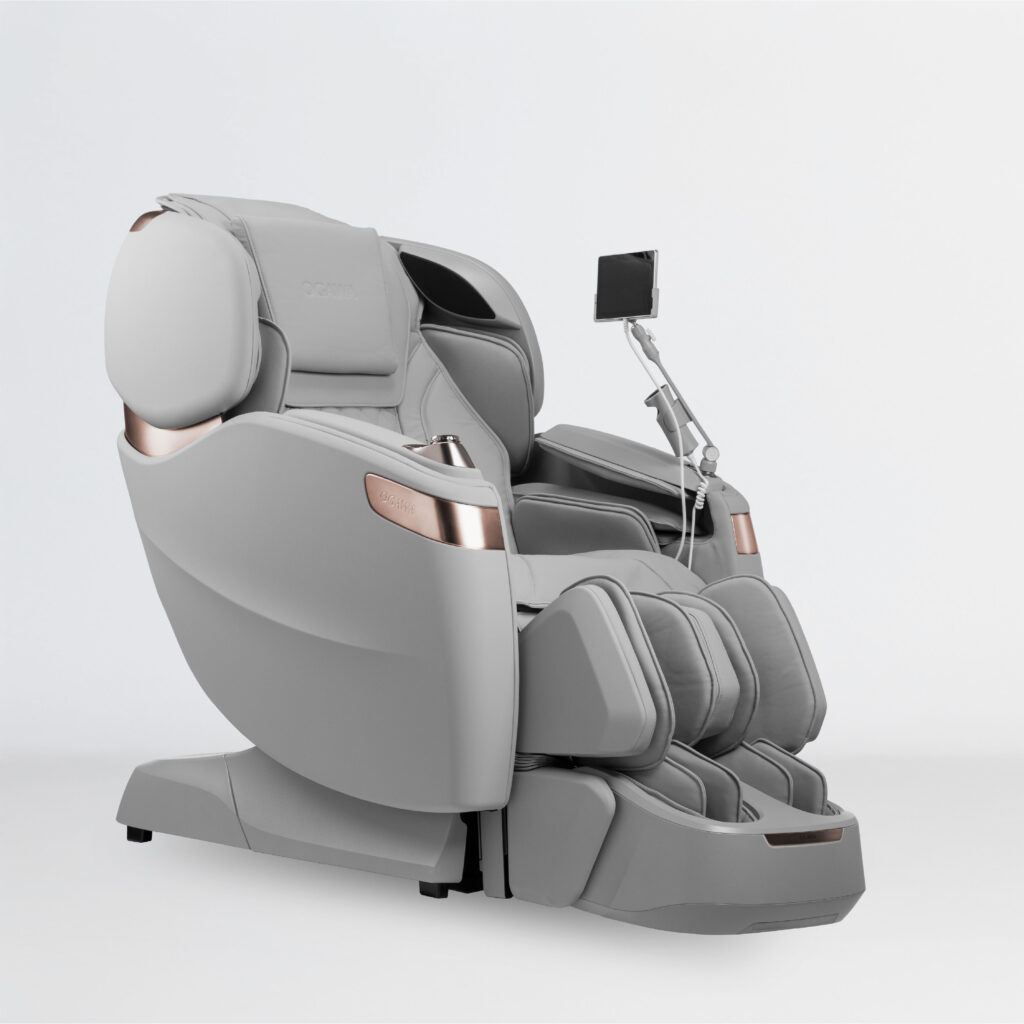
Massage chairs operate through rollers, air compression systems, reclining structures, and heat functions. These systems interact mainly with muscles and surrounding soft tissue. Their presence in office environments usually relates to relaxation spaces rather than medical treatment.
Workplace Sitting Patterns
In modern offices, people spend a lot of time working while seated. Workers may stay at their desks working on computers for several hours consecutively. Sometimes immobility influences muscle functions in the neck, shoulders, lower back, and legs of workers.
The following physical problems frequently arise in modern offices:
- Neck tightness
- Shoulder tightness
- Discomfort in the lower back
- Decreased mobility during work hours
- Fatigue from sitting for a long period
Furthermore, workstations can be an essential factor that affects posture, as the position of the screen and seat matters. Movement-based wellness programs are often developed due to such problems. Massage chairs have emerged in some offices for these programs.
Massage Chair Systems in Office Environments
Massage chairs contain motor-driven rollers positioned along internal tracks. These rollers move across muscle areas inside the backrest. Many models also include airbags around the legs, arms, or shoulders.
Several massage systems commonly appear in workplace chairs:
- Kneading movement
- Rolling movement
- Compression massage
- Vibration systems
- Reclining functions
- Heat application
The systems operate through electrical motors and programmed massage sequences. Certain office settings use compact chair designs for smaller spaces. Larger corporate environments sometimes include full-body massage systems inside dedicated wellness rooms.
Additional product information appears on the Massage Chairs collection.
Break Areas and Recovery Spaces
Quiet zones are common components found in modern workplaces. These zones typically have some form of seating area or reduced noise features. One option for these spaces includes massage chairs in the designated workplace recovery zone.
The physical layout differs across businesses. In some cases, the location of massage chairs is near employee lounges. Other employers opt to develop wellness areas apart from regular workspaces.
A number of environmental considerations affect the placement of massage chairs. These considerations include:
- Space on the floor
- Access to electrical outlets
- Noise around workstations
- Walking space around reclining chairs
- Privacy in shared spaces
Massage chairs take up considerable interior space.
Physical Relaxation During Work Periods
Typical office work involves repetitive typing on the keyboard and minimal body movements. Tension may gradually develop within muscles while working for long hours. Muscle stiffness in the neck and shoulders is typical in the workplace setting.
Massage chairs exert forces primarily to the muscles near the spinal cord, shoulders, hips, and legs. Roller systems provide mechanical motion on the aforementioned regions, whereas compression systems create cyclical force patterns on the lower limbs.
The following operational features typically manifest in workplace chair massages:
- Brief session time
- Moderate massage force
- Reclined sitting position
- Cyclical motion patterns
Session durations are typically brief in workplaces. Some businesses adopt reserved access to wellness equipment.
Heat Functions in Workplace Massage Chairs
Heat systems remain common in many commercial massage chair models. Heating elements usually appear inside the lumbar section of the chair. Certain designs also include warmth within the seat or leg sections.
Moderate heat changes the behaviour of nearby muscle tissue. Some individuals report reduced stiffness during seated relaxation periods. Heat systems generally operate through low-level electrical elements integrated into the chair structure.
Several heat-related operational features commonly appear:
- Controlled temperature settings
- Timed heating cycles
- Lumbar-focused warmth
- Integrated massage programs
Heat functions consume additional electrical power during operation. Most systems remain active for fixed periods before automatic shut-off occurs.
Shared Equipment and Workplace Maintenance
Massage chairs used in office environments require regular maintenance. Shared equipment experiences repeated daily operation across multiple users. Cleaning routines therefore remain part of workplace management procedures.
Several maintenance factors commonly appear in corporate environments:
- Surface cleaning schedules
- Electrical inspection procedures
- Upholstery condition checks
- Motor system servicing
- Remote control maintenance
Commercial environments often prefer durable upholstery materials that tolerate repeated use. Placement also influences long-term wear patterns.
Quiet motor behaviour may receive attention in open office layouts. Louder systems sometimes interfere with nearby workspaces.
Employee Wellness Program Structures
Corporate wellness programs differ between businesses. Some organisations focus on physical movement initiatives. Others include quiet spaces, ergonomic furniture, or recovery areas within office design strategies.
Massage chairs occasionally appear alongside additional wellness equipment such as:
- Adjustable standing desks
- Stretching areas
- Lounge seating
- Relaxation rooms
- Air purification systems
The chair functions mainly as a seated relaxation system within these environments. Usage patterns vary according to workplace policy and office culture.
Some companies position massage chairs inside employee break rooms. Others reserve access for dedicated recovery periods during the workday.
Operational Considerations for Office Use
Massage chairs require electrical power, floor space, and stable positioning during operation. Workplace installation therefore involves practical planning considerations. Reclining clearance remains important for larger chair models.
Several operational conditions commonly influence office installation:
- Power outlet location
- Weight capacity of flooring
- Ventilation around motors
- Access pathways through office areas
- Cleaning access around the chair
Daily operational frequency also affects long-term component wear. Shared office environments often produce higher usage rates compared with residential settings.
Chair selection therefore sometimes reflects expected operational demand.
Conclusion
Massage chairs continue appearing in corporate wellness environments across Australian workplaces. Their operation relates mainly to muscle movement, seated relaxation, and recovery space integration. Office environments containing extended desk-based activity often include systems intended to support physical comfort during work periods.
Massage chairs operate through rollers, compression systems, reclining structures, and heat functions. Their placement inside workplaces reflects changing office layouts that increasingly include quiet zones and wellness-focused spaces.
iRelax Australia provides massage chair systems with different structural layouts, operational programs, and seating designs suitable for residential and commercial environments. Additional information about massage chairs and workplace wellness systems appears through iRelax Australia.
Frequently Asked Questions
Why do companies place massage chairs in offices?
Some companies include massage chairs inside workplace wellness or relaxation spaces connected to employee break areas.
Do office massage chairs use electricity continuously?
Massage chairs mainly consume electricity during active operation. Some models also use small amounts of standby power.
Which massage chair features appear common in offices?
Common features include reclining systems, roller massage programs, compression massage, and heat functions.
Do massage chairs require large office spaces?
Massage chairs require enough space for reclining movement and walking clearance around the chair.
Are massage chairs used in shared workplace environments?
Many office massage chairs function as shared equipment within employee wellness or relaxation areas.