







Massage Chair
Massage Chair Myths Busted: What They Really Do for Pain Relief, Wellness, and Work-Life

Massage chairs appear in homes, offices, wellness spaces, and recovery rooms across Australia. Public discussion around these systems often includes assumptions about pain relief, posture support, workplace use, and long-term physical effects. Some beliefs reflect outdated chair designs. Others are about misunderstanding how systems work.
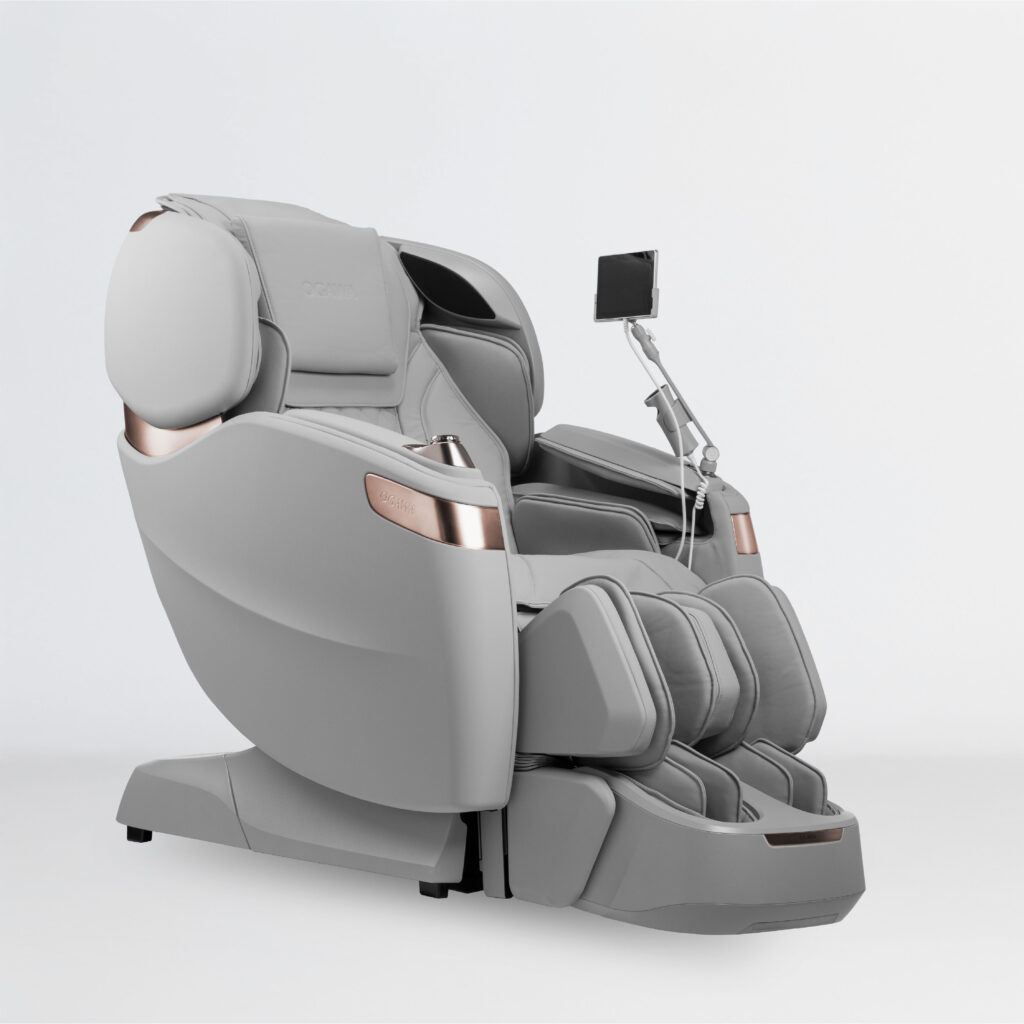
Modern massage chairs contain rollers, compression systems, reclining structures, heat functions, and programmed movement patterns. These components interact mainly with muscles and surrounding soft tissue. Their operation does not replace medical treatment or professional healthcare systems.
Massage chairs remain mechanical seating systems designed for repeated body-contact movement. Their functions vary according to chair structure, motor configuration, and operational settings.
Additional product information appears on iRelax Australia.
Myth One: Massage Chairs Cure Chronic Pain Conditions
Massage chairs do not cure chronic medical conditions. Their operation mainly relates to muscular movement and physical relaxation. Roller systems move across muscle surfaces positioned near the spine, shoulders, hips, and legs.
Some individuals report temporary reduction in muscle tightness after sessions. Others mostly use chairs for sitting. Physical responses differ according to muscle sensitivity, posture, and existing health conditions.
Several conditions commonly discussed alongside massage chair use include:
- Lower back tension
- Neck stiffness
- Shoulder tightness
- Muscle fatigue
- General physical discomfort
Massage chairs do not alter structural joint conditions or inflammatory diseases. Their systems mainly affect surrounding soft tissue behaviour during operation.
Myth Two: All Massage Chairs Operate the Same Way
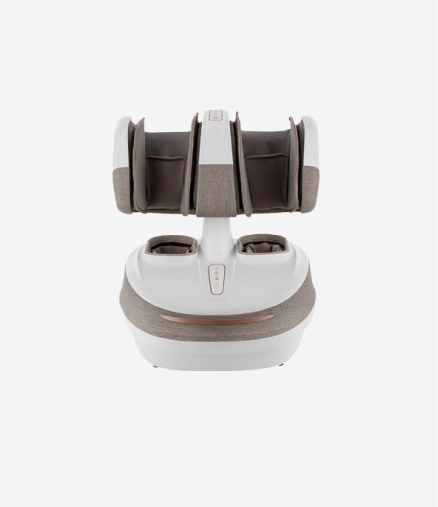
Massage chair systems differ substantially between models. Chair structure influences movement patterns, pressure intensity, and body coverage. Some models focus mainly on back massage. Others include calf compression, foot rollers, or full-body reclining systems.
Several operational features commonly vary between massage chairs:
- Roller track length
- Airbag placement
- Reclining positions
- Heat coverage
- Pressure intensity settings
- Automatic massage programs
Compact chairs often contain simpler internal systems. Larger models may include body scanning technology and synchronized movement patterns.
Chair behaviour therefore depends heavily on internal design.
More operational details appear on the Massage Chairs collection.
Myth Three: Stronger Massage Pressure Produces Better Results
Massage intensity preferences differ between individuals. Deep pressure does not always produce greater comfort. Some people prefer lighter roller movement across the back and shoulders. Others tolerate stronger compression systems during short sessions.
Several factors influence pressure perception:
- Muscle sensitivity
- Body size
- Existing tension levels
- Session duration
- Physical condition
Modern massage chairs usually include adjustable intensity settings. Lower settings often produce gentler movement across muscle surfaces. Higher settings increase pressure through rollers or airbags.
Long sessions with strong pressure may feel uncomfortable for some individuals. Shorter moderate sessions often remain more manageable.
Myth Four: Massage Chairs Only Belong in Luxury Homes
Massage chairs now appear in multiple environments beyond residential living rooms. Office wellness spaces, recovery rooms, hotels, and shared commercial settings increasingly include these systems.
Corporate environments sometimes position massage chairs inside employee break areas. Wellness facilities may also use the chairs in relaxation rooms or recovery zones. Smaller chair designs fit more easily into compact indoor spaces.
Several locations commonly contain massage chair systems:
- Residential lounge rooms
- Workplace wellness areas
- Hotel relaxation spaces
- Fitness recovery zones
- Shared waiting areas
Chair placement usually reflects available space, electrical access, and operational requirements.
Myth Five: Heat Functions Operate Like Medical Therapy
Heat systems inside massage chairs mainly provide moderate warmth around targeted body areas. The heating elements commonly appear inside the lumbar section or seat structure. Some models also include heat in leg sections.
Heat affects nearby muscle behaviour during seated sessions. Muscle tissue often feels less tense after exposure to stable warmth. These systems do not function as medical treatment devices.
Several operational characteristics commonly appear with chair heating systems:
- Controlled temperature levels
- Timed heating cycles
- Localized warmth zones
- Automatic shut-off functions
Heat settings usually operate alongside roller movement or compression massage. Power consumption also increases slightly during active heat sessions.
Myth Six: Massage Chairs Replace Physical Movement
Massage chairs remain stationary seated systems. Their operation does not replace walking, stretching, or general physical movement. Some individuals use massage chairs after long work periods or exercise sessions. Others use them during relaxation periods at home.
Extended sitting patterns still influence muscle behaviour and posture over time. Massage chair sessions generally occur for limited periods within broader daily routines.
Several usage patterns commonly appear:
- Evening relaxation sessions
- Short workplace breaks
- Recovery periods after exercise
- Weekend use inside lounge spaces
The chair functions mainly as a seated mechanical massage system rather than a replacement for physical activity.
Myth Seven: Massage Chairs Require Constant Maintenance
Massage chairs contain electrical motors, moving rollers, air compression systems, and upholstered surfaces. Routine maintenance remains relatively limited for many household users. Cleaning and inspection procedures vary with usage frequency and chair design.
Several maintenance activities commonly include:
- Surface cleaning
- Dust removal around moving parts
- Electrical cable inspection
- Upholstery condition checks
- Remote control maintenance
Commercial environments often require more frequent servicing because of repeated daily operation. Residential use generally produces lower operational demand.
More wellness and product information appears on the iRelax blog section.
Workplace Wellness and Massage Chairs
Massage chairs increasingly appear inside workplace wellness programs. Office environments frequently involve prolonged sitting, repetitive computer tasks, and limited movement during work hours. These conditions sometimes influence muscle tension and seated posture.
Corporate wellness spaces often include massage chairs alongside quiet seating areas or break rooms. Session duration usually remains short inside office environments.
Several workplace-related factors commonly influence massage chair use:
- Shared employee access
- Quiet room placement
- Scheduled break periods
- Compact chair configurations
- Limited session duration
Massage chairs in these environments mainly relate to workplace relaxation spaces rather than productivity systems.
Conclusion
Massage chairs operate through rollers, compression systems, heat functions, and reclining structures. Public assumptions about these systems often simplify their actual operation. Massage chairs do not cure chronic conditions or replace treatment. Their movement mainly affects muscles and surrounding soft tissue during seated sessions.
Chair behaviour varies according to system design, motor structure, pressure settings, and operational features. Some models focus on basic back massage movement. Others contain full-body coverage systems with heat and air compression functions.
iRelax Australia provides massage chair systems with different structural layouts, massage programs, and operational settings suitable for residential and commercial environments. Additional information about massage chairs and wellness equipment appears through iRelax Australia.
Frequently Asked Questions
Do massage chairs cure pain conditions?
Massage chairs do not cure medical conditions. Their systems mainly interact with muscles and surrounding soft tissue.
Do all massage chairs work the same?
Massage chair systems differ according to roller structure, pressure settings, heat functions, and body coverage.
Are stronger massage settings always better?
Pressure preferences vary between individuals. Lower intensity settings often feel more comfortable for sensitive muscles.
Do massage chairs only appear in homes?
Massage chairs also appear in offices, hotels, wellness rooms, and commercial environments.
Do massage chairs require frequent servicing?
Most residential massage chairs mainly require surface cleaning and routine operational inspection.