







Massage Chair
Do Massage Chairs Increase Your Electricity Bill?

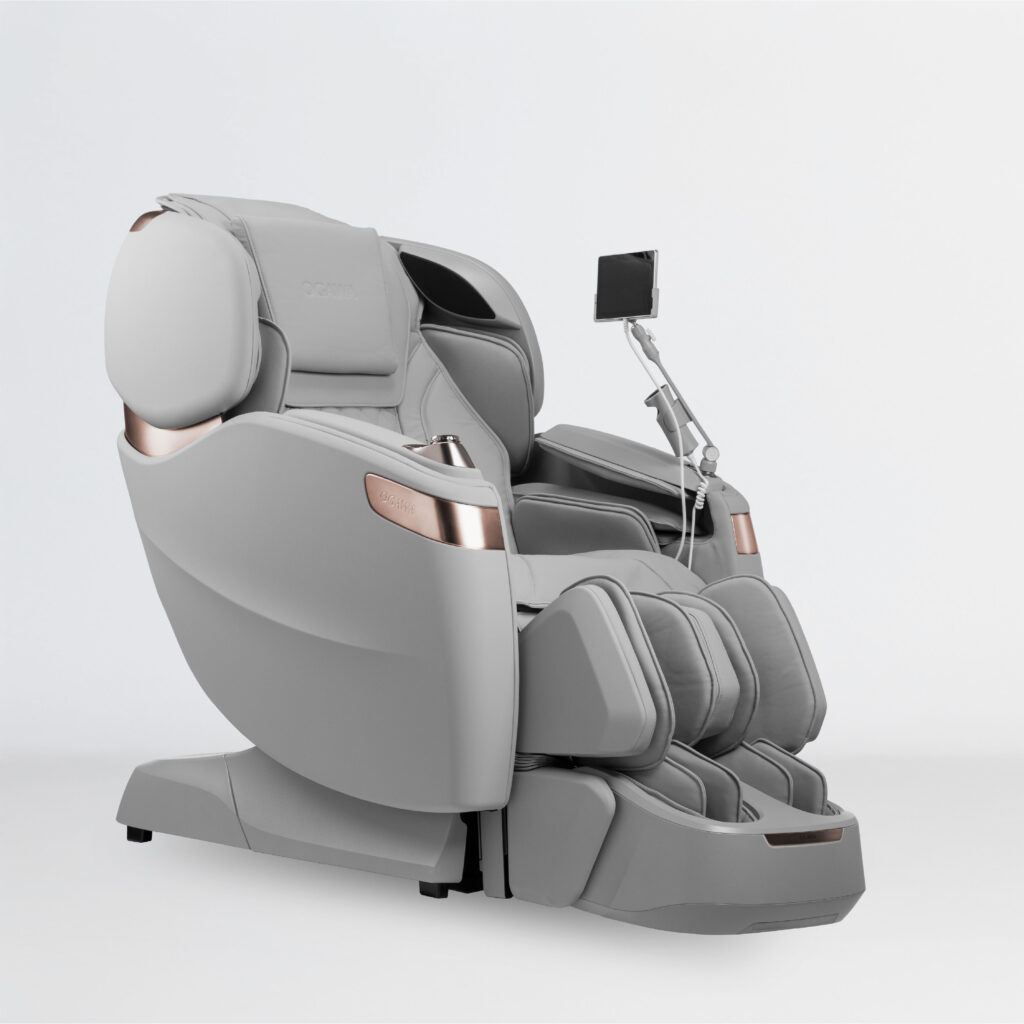
Massage chairs operate through electrical motor systems, internal rollers, air compression units, heating elements, and digital control panels. These components require electricity during active use. Power consumption levels vary according to chair design, operating duration, and feature selection.
Many massage chairs used in Australian households contain several mechanical systems working simultaneously. Roller tracks move across the backrest. Airbags compress around the arms and legs. Reclining systems reposition the chair frame. Heat functions also consume electrical power during operation.
Electricity use remains relatively moderate compared to large appliances. Usage patterns still influence overall energy consumption. Session frequency also affects total electricity demand across longer periods.
How Massage Chairs Use Electricity
Electrical energy is supplied to the massaging chair from a standard house plug socket. Different systems use the electrical energy for their functions by distributing them between motors, sensors, control boards, and heating units. Electrical energy consumption varies based on the mode of operations selected at any given session.
Internal components that stay operational during the massaging include:
- Motor roller systems
- Air pumps
- Reclining motors
- Heaters
- Display systems
Most roller motors use only small amounts of electrical energy, and air compression systems when inflating the air sacs. Heating systems consume higher amounts of energy compared to basic massaging operations.
A massaging chair remains in an energy-saving mode when not in use. Some models continue to consume power when connected to outlets.
Typical Energy Consumption Patterns
Most massage chairs consume less electricity than large cooling or heating appliances. Power demand often reflects chair size and number of active features.
Basic massage functions usually operate within moderate wattage ranges. Heating systems raise overall consumption levels during active sessions. Full-body massage programs also increase motor activity across multiple sections of the chair.
Several factors commonly influence electricity use:
- Session duration
- Frequency of operation
- Heat function usage
- Number of active massage zones
- Chair motor size
Short massage sessions generally consume limited amounts of electricity. Longer daily sessions produce higher cumulative energy use over monthly billing cycles.
Additional product information appears on the Massage Chairs collection.
Heat Functions and Power Demand
Heating systems appear in many massage chair models available in Australia. These systems usually operate through internal electrical heating pads positioned inside the backrest or seat structure.
Heat functions consume additional electricity compared with massage movement alone. Energy demand remains lower than many standalone room heating appliances. Temperature settings also influence consumption patterns.
Several operational characteristics commonly appear with heated massage systems:
- Stable low-level warmth
- Limited heating zones
- Timed operating cycles
- Automatic shut-off systems
Heat functions generally remain active for preset time periods during massage sessions. Some chairs allow independent control over heat operation. Others integrate heating automatically into specific massage programs.
Power demand increases slightly when multiple systems operate simultaneously. This includes rollers, airbags, reclining motors, and heating elements functioning together.
Standby Power Consumption
The massage chair might consume a little amount of electricity even when it is idle. This is due to the standby power consumption that is experienced in various electric appliances in homes. The display, remote sensing, and memory system of the massage chair can be left active after each session.
Standby power consumption remains relatively low. However, it will depend on the frequency at which the chair is left connected to electricity.
A number of factors from home usage determine standby power consumption:
- Constant connection of the chair to electricity
- Disconnection of power after each session
- Utilization of outlet switches
- Operation of display systems through the night
Some users of the massage chair disconnect the power source during idle times. Others keep it connected for convenience.
Chair Size and System Complexity
Chair structure influences overall power consumption. Compact massage chairs often contain fewer moving systems. Larger chairs may include extended roller tracks, additional airbags, or more advanced reclining mechanisms.
System complexity also changes electrical demand. Full-body scanning systems, touch-screen controls, and synchronized massage programs increase operational activity inside the chair.
Several design features commonly affect power usage:
- Number of internal motors
- Length of roller tracks
- Air compression capacity
- Heating coverage area
- Electronic display systems
Motor size and operating intensity contribute to overall energy behaviour during sessions.
Daily Usage Patterns
Electricity costs connected to massage chairs depend largely on usage frequency. Short occasional sessions produce limited electrical demand. Multiple long sessions each day create higher cumulative usage over monthly billing periods.
Household operating patterns vary considerably. Some individuals use massage chairs briefly after work. Others operate the chair during morning and evening periods.
Several common usage patterns appear in Australian households:
- Single short evening sessions
- Weekend-only operation
- Daily heat function usage
- Multiple family members sharing the chair
- Extended recline sessions with massage programs active
Energy costs remain connected to total operational hours rather than chair ownership alone.
Conclusion
The electric energy used by massage chairs includes that which is used by motors, pumps, controls, recliners, and heaters in the chairs. The amount of electricity needed for massage chairs is usually not much, considering other home appliances.
Electricity behavior depends on the kind of massage chair and its components. For instance, massage chairs that have big heating areas or sophisticated massage programs need extra electricity while in use. Electricity used even when the chair is on stand-by mode is also considered as a contribution to the total used.
iRelax Australia provides massage chair models with different structural systems, massage functions, and operational features. Additional information about massage chairs and wellness equipment appears through iRelax Australia.
Frequently Asked Questions
Do massage chairs require much electricity?
Massage chairs do not consume much electricity as compared to other household appliances that are bigger in size.
Does the heat function use more electricity?
The heat system uses more electrical power than the massage chairs.
Do massage chairs require electricity when they are idle?
There are certain types of massage chairs that continue to consume a little electricity when the machine is idle.
Does the duration of massage affect electricity usage?
The longer the massage is, the more electric power the chair consumes.
Do bigger massage chairs need more power?
Bigger massage chairs with multiple motors consume much more electricity than the smaller machines.