







Massage Chair
Can a Massage Chair Help With Arthritis? What Australians Need to Know

Arthritis affects joint movement, muscle behaviour, and physical mobility. Osteoarthritis appears through cartilage wear inside the joints. Rheumatoid arthritis reflects inflammatory activity within joint tissue. Both conditions may produce stiffness, swelling, and muscle tension around affected areas.
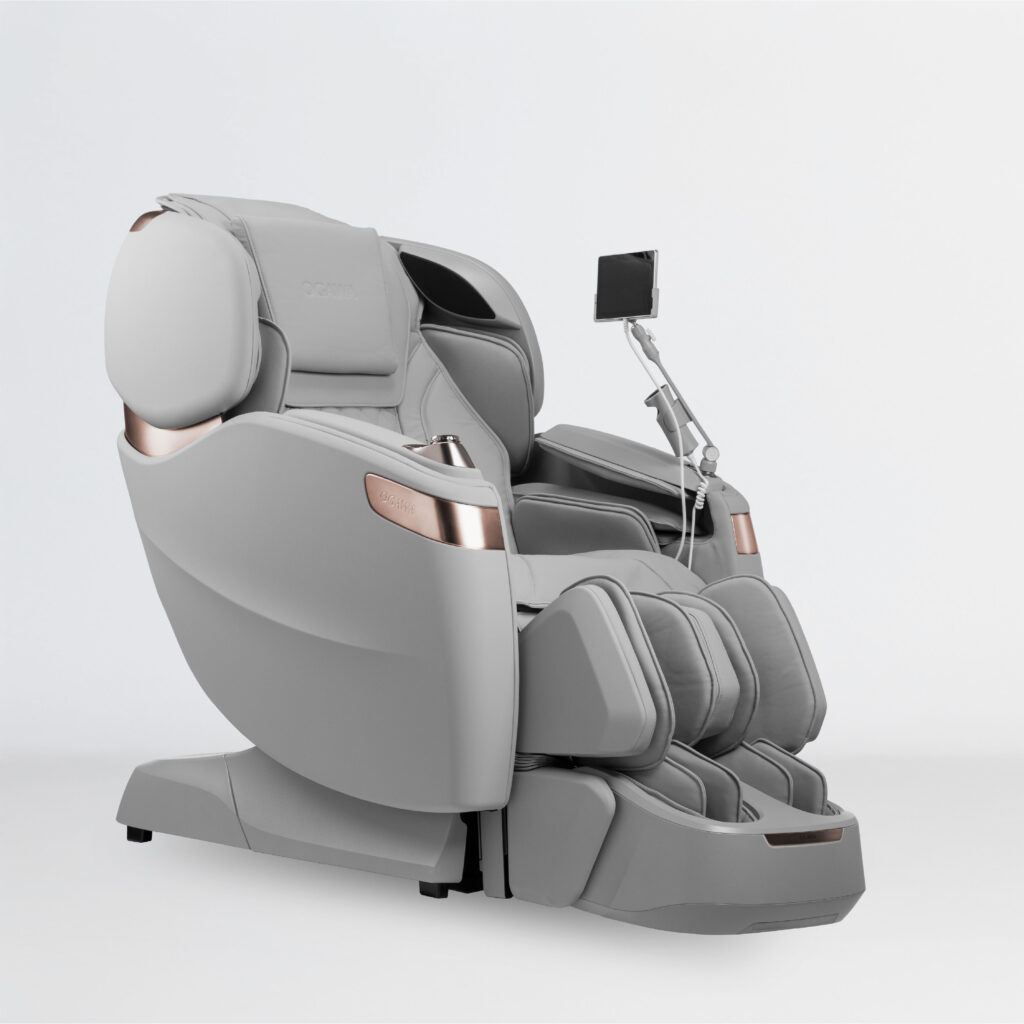
Massage chairs operate through mechanical rollers, airbags, vibration systems, and reclining structures. These systems move across muscle groups surrounding the spine, shoulders, hips, and legs. Some models include heat functions. Others focus on compression massage or full-body scanning systems.
Massage chairs appear in many Australian households as part of home relaxation environments. Their operation relates mainly to soft tissue stimulation and seated body support. The systems do not alter the underlying condition of arthritis.
Joint Stiffness and Muscle Behaviour
Arthritis affects joint functioning when moving and resting. The joint surface can be unevenly worn. Joint inflammation may limit flexibility. These factors usually affect adjacent muscles.
The muscles surrounding painful joints are often tight. Tightness is observed in the lumbar spine, shoulders, neck, hips, and calves. Decreased mobility sometimes causes increased stiffness of the adjacent tissues.
A number of common physical signs include:
- Limited joint mobility
- Tightness of the muscles in the area
- Uneven body position in sitting or standing positions
- Fatigue when walking
- Increased stiffness due to inactivity
Pain symptoms vary from person to person. Morning stiffness occurs in some patients, while pain arises from exercise or prolonged sitting in others.
Massage Chair Operating Systems
Massage chairs contain internal motor systems that guide rollers along fixed tracks. The rollers apply repeated movement across muscle surfaces. Airbags produce compression around the shoulders, arms, calves, or feet.
Several massage functions appear in modern chair systems:
- Kneading
- Rolling
- Tapping
- Compression massage
- Vibration movement
- Heat application
Each system operates differently depending on chair design. Some chairs focus on lumbar movement. Others include full-body coverage extending into the legs and feet.
Reclining systems also affect body positioning. Certain models shift the body into a near-horizontal posture. This position redistributes body weight across the chair structure.
More information about available systems appears on the Massage Chairs collection.
Soft Tissue Response Around Arthritic Areas
Massage chairs mainly interact with muscles and connective tissue rather than the joints themselves. Mechanical movement passes across muscle groups positioned near painful areas. Compression systems create repeated pressure around the limbs.
Muscle tension sometimes changes during massage sessions. Tight tissue may feel less rigid for short periods. Body posture may also shift during reclining modes.
Several body regions commonly receive massage coverage:
- Lower back
- Neck muscles
- Shoulder region
- Hip area
- Calves and feet
The pressure level varies between chair models. Some systems apply gentle surface movement. Others operate with deeper roller pressure.
Comfort levels differ between individuals. Joint sensitivity, muscle condition, and body structure all influence the experience.
Heat Functions and Seated Comfort
Heat systems appear in many massage chair models available in Australia. The heating elements usually remain inside the lumbar section. Certain models also include warmth in leg or seat areas.
Moderate heat changes the behaviour of nearby muscle tissue. Muscles often feel less tense after exposure to stable warmth. Some individuals report lower stiffness during cooler weather conditions.
Heat functions generally operate at controlled temperatures. The systems remain active for limited session periods. Temperature intensity varies across chair models.
Several observations commonly relate to heated massage systems:
- Reduced sensation of muscular tightness
- Increased seated comfort
- More relaxed body positioning
- Temporary reduction in stiffness perception
The responses remain individual. Some people avoid heat during inflammatory flare periods.
Chair Features Often Considered in Australia
Massage chair selection frequently reflects physical comfort, body positioning, and operational simplicity. Arthritis may influence hand movement, shoulder flexibility, or lower back sensitivity. Certain design features therefore receive closer attention.
Adjustable Intensity Control
Lower intensity settings appear more suitable for sensitive muscles and joints. Gentle roller movement often produces less surface pressure.
Reclining Structure
Reclining positions redistribute body weight across the backrest and leg support areas. Pressure around the hips and lower spine may shift in these positions.
Entry and Exit Space
Wide seat openings allow easier body movement while entering or leaving the chair. Stable arm sections also assist seated positioning.
Remote Control Layout
Large control buttons remain easier to operate during hand stiffness or finger discomfort.
Leg and Foot Massage Systems
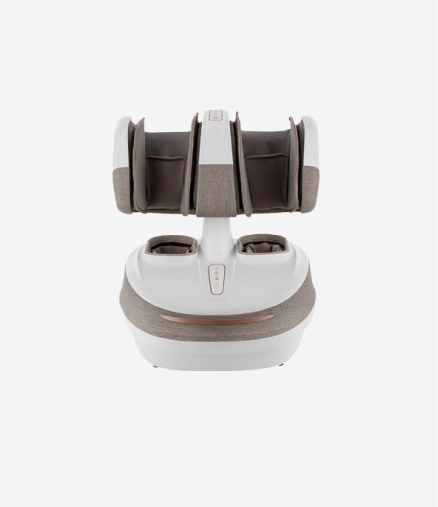
Compression massage around the calves and feet produces rhythmic pressure across lower limb muscles.
Situations Where Massage Chairs May Feel Uncomfortable
Massage chairs do not suit every stage of arthritis or physical sensitivity. Certain conditions may increase discomfort during mechanical massage movement. Swollen joints sometimes respond poorly to pressure-based systems.
Several situations may reduce comfort levels:
- Acute inflammatory flare periods
- Severe spinal sensitivity
- Recent surgical recovery
- Pressure sensitivity in the legs or feet
- Advanced bone density reduction
Session duration also influences physical response. Longer sessions may produce fatigue in some individuals. Shorter sessions often remain more manageable.
Medical guidance remains relevant for individuals with complex musculoskeletal conditions.
Conclusion
Massage chairs operate through rollers, compression systems, vibration movement, heat functions, and reclining structures. These systems interact mainly with muscles and surrounding soft tissue near arthritic joints. Their operation does not change the underlying condition of arthritis.
Physical responses vary according to muscle sensitivity, pressure intensity, and chair design. Some individuals prefer lower intensity programs with shorter session periods. Others focus primarily on reclining support and heat functions.
iRelax Australia provides massage chair models with different structural layouts, massage systems, and operational settings. Product information and additional wellness content remain available through
Frequently Asked Questions
Can massage chairs cure arthritis?
Massage chairs do not cure arthritis. The systems mainly interact with muscles and surrounding soft tissue.
Do massage chairs include heat functions?
Many massage chair models contain lumbar heat systems. Certain models also include warmth in the seat or leg sections.
Which massage intensity appears more suitable for arthritis?
Lower intensity settings often feel more comfortable around sensitive muscles and joints.