







Massage Chair
How to Choose the Best Massage Chair in Australia: A Senior’s Guide

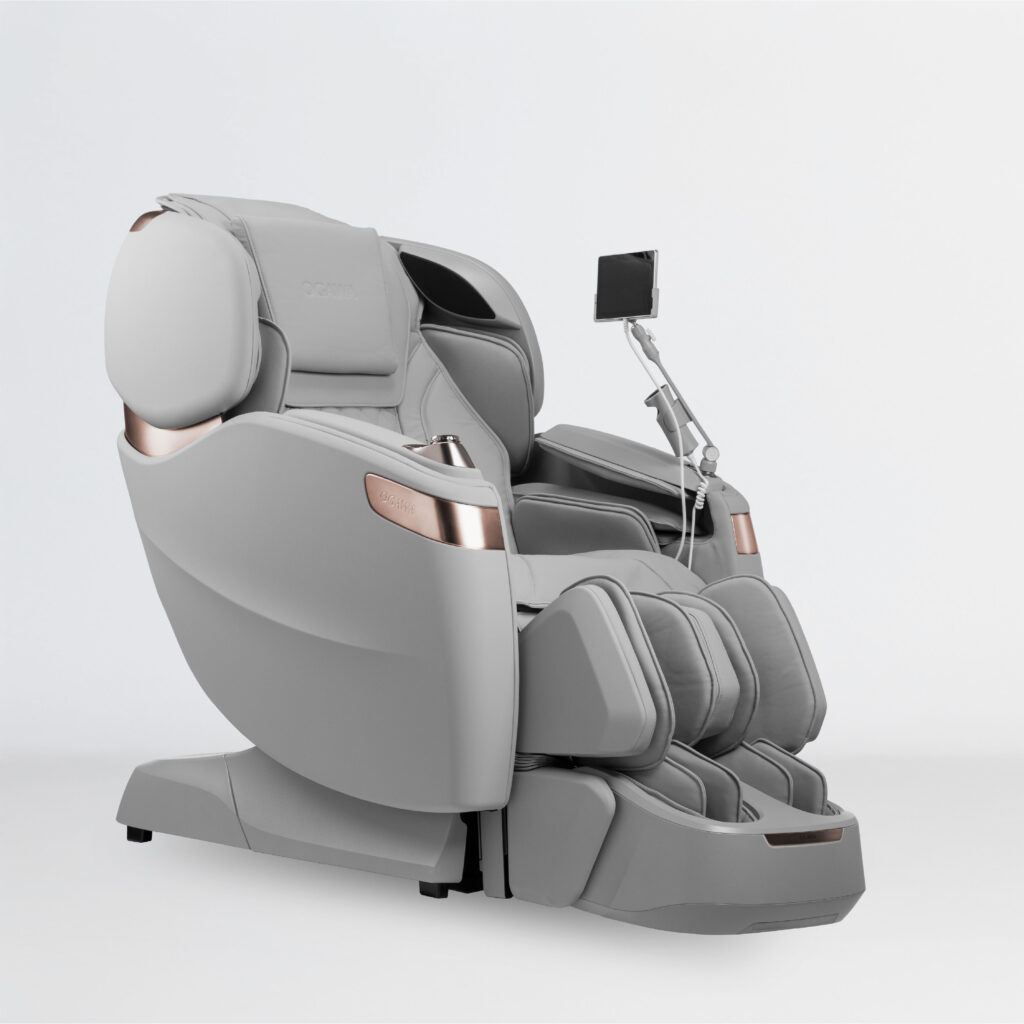
In Australia, massage chairs can be found in various settings within the domestic or therapeutic environment. Among senior users, this product type is generally considered based on functional reasons rather than personal preferences. The emphasis stays on comfort, availability, and mechanical compatibility rather than aesthetics.
There is no consistent decision pathway. This is due to different physical conditions, medical conditions, spatial limitations, and mechanical pressure endurance levels. Within all available products, features are systematically layered, but their importance varies among user types.
In many cases, selection begins with constraints rather than features. These constraints define how the chair is evaluated more than any specific capability.
Core Factors That Shape Selection
The process of choosing a massage chair tends to revolve around a limited set of variables. These variables remain consistent across most purchasing environments.
Key considerations include:
- Physical comfort during seated and reclined positions
- Ease of entering and exiting the chair
- Level of pressure tolerance in back and leg systems
- Available space in the intended environment
- Simplicity of control systems
These factors operate together rather than independently. A chair that performs well in one category may still be unsuitable if another condition is not met.
The evaluation rarely depends on a single feature. It reflects the combined behavior of multiple systems working under use conditions.
Physical Comfort and Body Fit
The massage chairs are directly connected with the posture. However, for older people, there is greater sensitivity as regards to posture as it concerns joint flexibility and muscles’ rigidity.
Some considerations that have been noted are as follows:
- Height of the seat and easy seating
- Recline depth and stability while moving
- Correspondence between back shape and rollers’ tracks
- Density of cushions and distribution of pressure
It appears that slight distinctions in construction can play greater importance for the overall comfort as compared to additional equipment.
As far as comfort is concerned, it is generated on the basis of the fit rather than specification.
Massage Intensity and Control Levels
The intensity of massage differs widely among models. In general, machines are engineered to function at different levels of pressure, although not everyone uses the entire range.
Typical intensity choices include:
- Light pressure option for gentle massage
- Moderate pressure option for relaxing massage
- High pressure option for deep tissue massage
Further customization possibilities might be:
- Roller speed adjustments
- Focused zones for targeted massages (e.g., back, leg, shoulder)
- Air pressure strength settings
- Program duration adjustment
It is often the case that use levels off into one or two favorite modes rather than constant tinkering.
Multiple intensities do not imply superior applicability. It merely means that the machine is versatile and not its absolute necessity.
Accessibility and Ease of Use
Ease of operation plays a significant role in selection, particularly where mobility or dexterity may be limited.
Observed interface patterns include:
- Simple remote controls with limited buttons
- Preset programs that reduce manual adjustment
- One-touch start functions
- Clearly labeled intensity settings
In more complex systems, additional features may include digital displays or app-based control. However, these are not always used after initial setup.
Ease of use is often determined by:
- Clarity of controls
- Response speed of adjustments
- Visibility of settings during operation
- Physical reach of remote or panel
Simplicity tends to remain a consistent requirement across user groups.
Space and Installation Conditions
A massage chair needs a set space requirement. The positioning setting influences usage and operating capacity.
Important spatial considerations involve:
- Area needed for maximum reclining
- Proximity to wall when moving
- Availability of electricity source
- Movement ease inside the room
Popular spatial arrangements include:
- Arrangement of massage chairs in lounges or bedrooms
- Placement in fixed spots without much mobility
- Gaps preserved at the rear of reclining spots
- Non-usage in busy zones
Space planning typically decides the model’s fit prior to comparing its features.
Common Feature Groups in Senior-Oriented Models
The massage chairs targeted at elderly customers concentrate on certain functionalities.
This includes:
- Low-pressure massages
- User-friendly control panels
- Back and leg support
- Limited heating capabilities
- Fixed reclining positions with minimal movement
These functionalities are common in massage chairs made for seniors.
However, they may vary from manufacturer to manufacturer. In real life, a particular functionality does not mean that all machines perform the same way.
Environmental and Support Considerations
The surrounding environment influences long-term usability. Chairs placed in supportive settings tend to be used more consistently.
Relevant conditions include:
- Availability of assistance during installation
- Clear access to seating position
- Stable flooring for mechanical movement
- Adequate lighting for controls
In some cases, additional support is required for initial setup or positioning. Once installed, usage typically becomes independent.
Conclusion
Choosing a massage chair in Australia for senior use reflects a combination of physical fit, ease of operation, and environmental suitability. Feature sets vary across models, but usability tends to depend more on alignment with individual conditions than on specification complexity.
Further details on available massage chair models, configurations, and specifications can be reviewed through the iRelax website. Additional information is available in the blog and product sections for deeper comparison and category understanding.
Across available systems, differences in design often appear secondary to how the chair interacts with posture, mobility, and comfort tolerance. Selection therefore remains grounded in practical response rather than feature comparison alone.
FAQ Section
- What is the most important factor when choosing a massage chair for seniors?
The technological capability of the massage chair brand or manufacturer should be taken into account.For elderly users, who may have increased sensitivity due to conditions such as osteoporosis, this becomes particularly important.Advanced technology plays a critical role in determining the comfort, control, and overall effectiveness of the massage.
- Are high-feature massage chairs always better?
Not necessarily. Usability depends on how features are implemented and used in practice. - How often are massage chairs typically used?
Most usage patterns involve short, regular sessions rather than extended operation. - Do seniors use all available functions?
In many cases, usage stabilizes around a limited set of preferred programs. - Is installation complicated?
Installation complexity varies, but most chairs require basic setup and positioning support.